What is the Best Time to Visit Morocco?

The best time to visit Morocco depends on the climate and the desired activities, with ideal periods to enjoy the cities, mountains, and desert in complete tranquility. Do your holidays coincide with the summer season? Are you planning to visit the Cherifian Kingdom and wondering what the temperature in Morocco will be during this period? The answer is simple: it depends on the regions you plan to visit, but generally speaking, the climate is sunny in most of the country.
The main cities along the Mediterranean coast (from Tangier to Saïdia, passing through Tetouan, etc.) experience mild, rainy winters and relatively hot summers. The water temperature on the coast is perfect for spring and summer swimming, averaging around 22°C. For those heading to Casablanca or the capital, Rabat, note that these cities are located in the center of this climatic zone, with recorded temperatures often reaching 25-29°C in July.
The vast inland region of the country, which stretches from the imperial cities to the western areas of the Great Sahara Desert, is characterized by scorching summer temperatures, which can reach up to 45°C on the hottest days, and cool, humid winters between October and March. If you plan to embark on excursions or hikes in the Moroccan desert, summer may not be the best time for such activities.
What is the temperature in Morocco during winter?
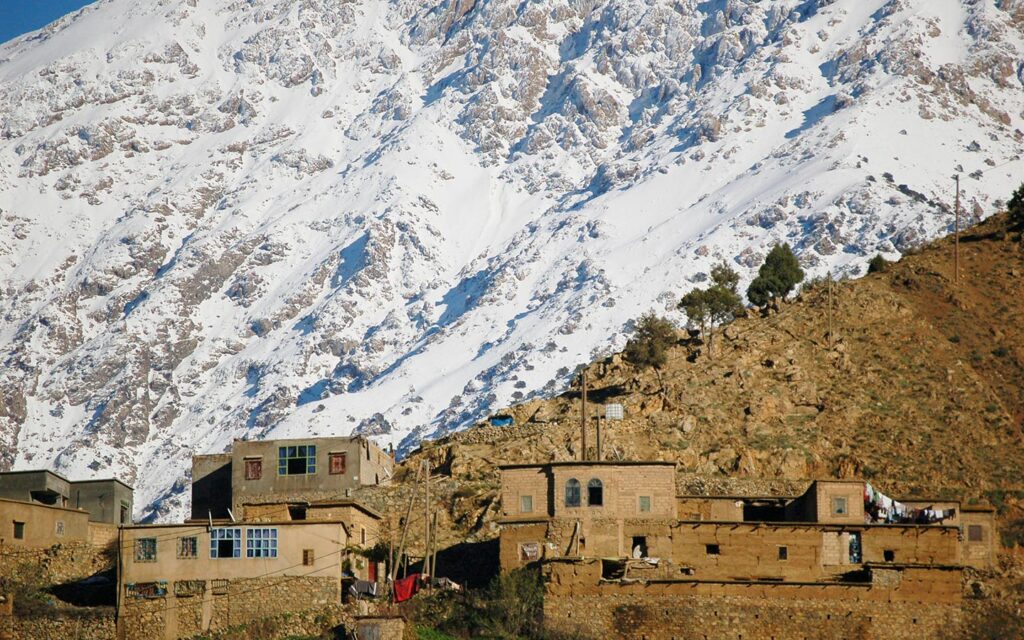
When it comes to travel, all seasons have their merits. Winter is also a great time to explore Morocco, although temperatures in some areas can be quite low. If you plan to visit the Great Sahara Desert, know that winters are cool and humid from October to March. In mountainous areas, winters can be freezing and harsh, with temperatures dropping below zero, so you will need a good jacket to protect yourself from the extreme cold.
For ski enthusiasts, the highest regions of the High Atlas are renowned ski resorts due to heavy snowfall during the winter season. The cities along the Atlantic coast, from Tangier to Essaouira, enjoy a warm and sunny climate in winter, resembling spring temperatures. Rainfall is generally low most of the year, except from late November to March, when violent storms can occur, potentially causing flooding in a short time.
What is the best time to visit Marrakech?
Marrakech is probably on your list of cities to visit during your next stay in Morocco. The ocher city is an essential stop for travelers wishing to discover its cultural, artisanal, and magical aspects, and it is an integral part of the itineraries for those planning to head to southern Morocco to visit cities like Ouarzazate, Rissani, or even Merzouga.
So, what is the best time to go to Marrakech? Spring and early autumn offer the most favorable climate, with a fresh, refreshing breeze, while nights can be quite cold. It is best to avoid the months of June and July, and potentially early August, as the stifling heat could detract from your experience. Likewise, be mindful of times when the Sirocco, a hot, dust-laden wind from the Sahara, is blowing.
If you want to experience Marrakech during peak tourist seasons, despite the temperatures, New Year and Easter are dates to remember.
Seasonal Guide to Visiting Morocco
Spring (March - May)
Temperature: 15-28°C (59-82°F)
Ideal for: City tours, hiking, desert excursions, beach holidays
Summer (June - August)
Temperature: 25-45°C (77-113°F)
Ideal for: Coastal areas, Atlas mountains, festivals
Autumn (September - November)
Temperature: 18-32°C (64-90°F)
Ideal for: All regions, cultural tours, desert excursions
Winter (December - February)
Temperature: 5-20°C (41-68°F)
Ideal for: Desert tours, skiing in the Atlas, city stays
Final Recommendations
For first-time visitors, the best times to visit Morocco are spring (March to May) and autumn (September to November) when the weather is pleasant across most of the country. The key is to plan your itinerary based on the specific regions you want to explore and the type of experience you are looking for.