Traveling to Morocco with a Pet: Essential Requirements and Health Precautions
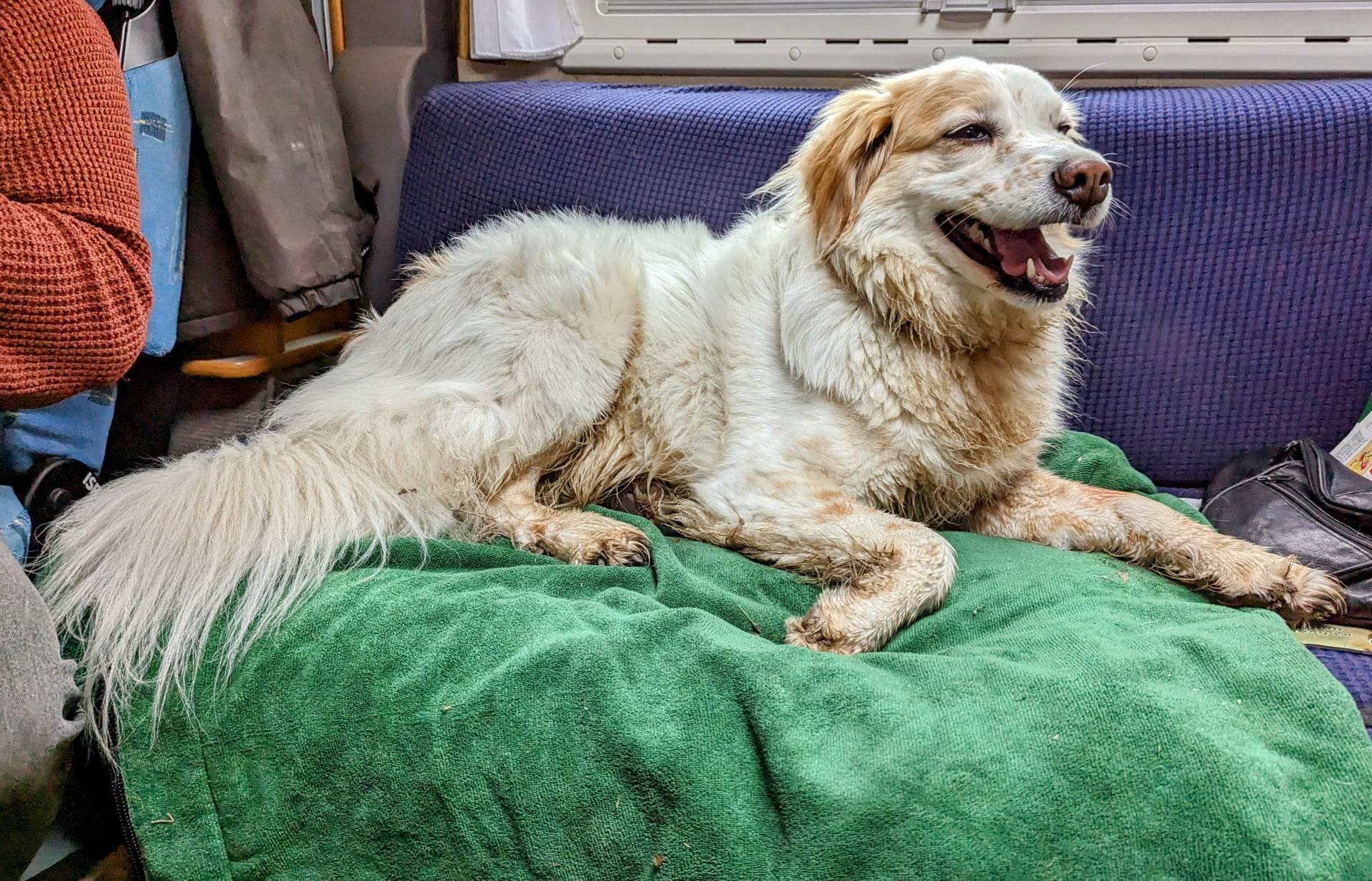
Traveling to Morocco with a pet requires rigorous preparation, including compliance with health requirements, administrative procedures, and essential health precautions for a stress-free stay. Whether for pleasure or business, if you have found compelling reasons to take your pet to Morocco, here is vital information and tips to help protect your little companion in a foreign country. It's tempting to take your pet everywhere you go, but it's not always possible. Animals also have allergies and are susceptible to various diseases. However, if you must take your pet on your trip to Morocco, you must prepare your four-legged friend to adapt to the coming changes and everything that comes with them. The first step is to check if your pet is allowed on Moroccan soil.
Required Documentation and Procedures
If you are traveling from a European country, your dog or cat will need a European pet passport to enter Morocco. A microchip will be required for your pet to allow for easy identification. Since rabies is not a rare infection in animals, you must have your pet tested and vaccinated against rabies, with certificates to prove it.
You will also need a valid health certificate confirming your pet is in good health, issued at least 10 days prior to arrival in Morocco by a licensed and reputable veterinarian. These certificates are typically valid for three months and must include the date of issue, the name, and the stamp of the veterinarian.
Vaccination Requirements
Rabies is present in Morocco, so when you return home to your country, make sure to have your pet vaccinated against rabies again. If your pet is certified rabies-free during your stay, they should receive an anti-rabies certificate issued by a licensed Moroccan veterinarian.
It is essential to research any potential diseases or infections that could affect your pet before traveling. Parvovirus is one such infection that could cause problems if you are not prepared. This severe form of gastroenteritis primarily affects dogs, especially puppies, and its effects manifest rapidly once contracted. Symptoms include vomiting and lethargy.
If you notice these symptoms in Morocco, take your pet to a vet immediately for an examination. Delays could result in bloody diarrhea and dangerous dehydration. As a precaution, consider vaccinating your dog against this virus upon arrival in Morocco rather than waiting for symptoms to appear.
Travel Tips for Pet Owners
Here are some additional considerations to ensure your pet's comfort and safety during your Moroccan trip:
Accommodation: Confirm in advance that your accommodations are pet-friendly, as many hotels and riads may have restrictions.
Climate Adaptation: Morocco can be extremely hot, especially in summer. Ensure your pet has constant access to shade and fresh water.
Local Vets: Research and save the contact information for veterinary clinics near your intended destinations in case of an emergency.
Pet Supplies: Bring familiar food, medication, and comfort items, as specific pet products may be hard to find locally.
Public Spaces: Be aware that pets may not be welcome in many restaurants, historical sites, or religious areas.
Returning Home with Your Pet
Remember that re-entry requirements for your home country may differ from Morocco's entry requirements. Check with your local agricultural or customs department to ensure you have all necessary documentation for your pet's return journey. Some countries may require additional testing or quarantine periods after visiting certain regions.
While traveling with your pet to Morocco requires careful planning and preparation, the joy of having your companion with you during your adventure can be well worth the effort. By following proper procedures and taking necessary health precautions, you can ensure a safe and enjoyable Moroccan experience for you and your four-legged friend.